
Denim bulk production and sample consistency: A checklist from confirmation sample to bulk shipment
For overseas brands and buyers, this article breaks down the key control points for consistency between denim bulk production and samples: from fabric dye lot variations and wash formulas to sewing techniques and size tolerances. It provides a pre-production confirmation checklist and first-batch inspection methods to help determine whether a factory has stable replication capability. Suitable for buyers preparing OEM/ODM orders who need clear acceptance standards.
Inconsistencies between bulk production and samples usually stem from fabric batches, wash control, and sewing details not being confirmed before production. It is recommended to verify color differences, shrinkage rates, and size charts after sealed sampling, and retain first-batch samples for comparison.
In this article
First, Clarify: Which Type of Sample Are You Approving?Fabric: Dye-Lot Variation and Shrinkage Are Primary VariablesWashing: Formulas and Batches Must Be TraceableSewing and Pattern: Size Charts Are More Reliable Than the EyePre-Production Confirmation ChecklistHow to Conduct First Batch InspectionCustom or StockFAQ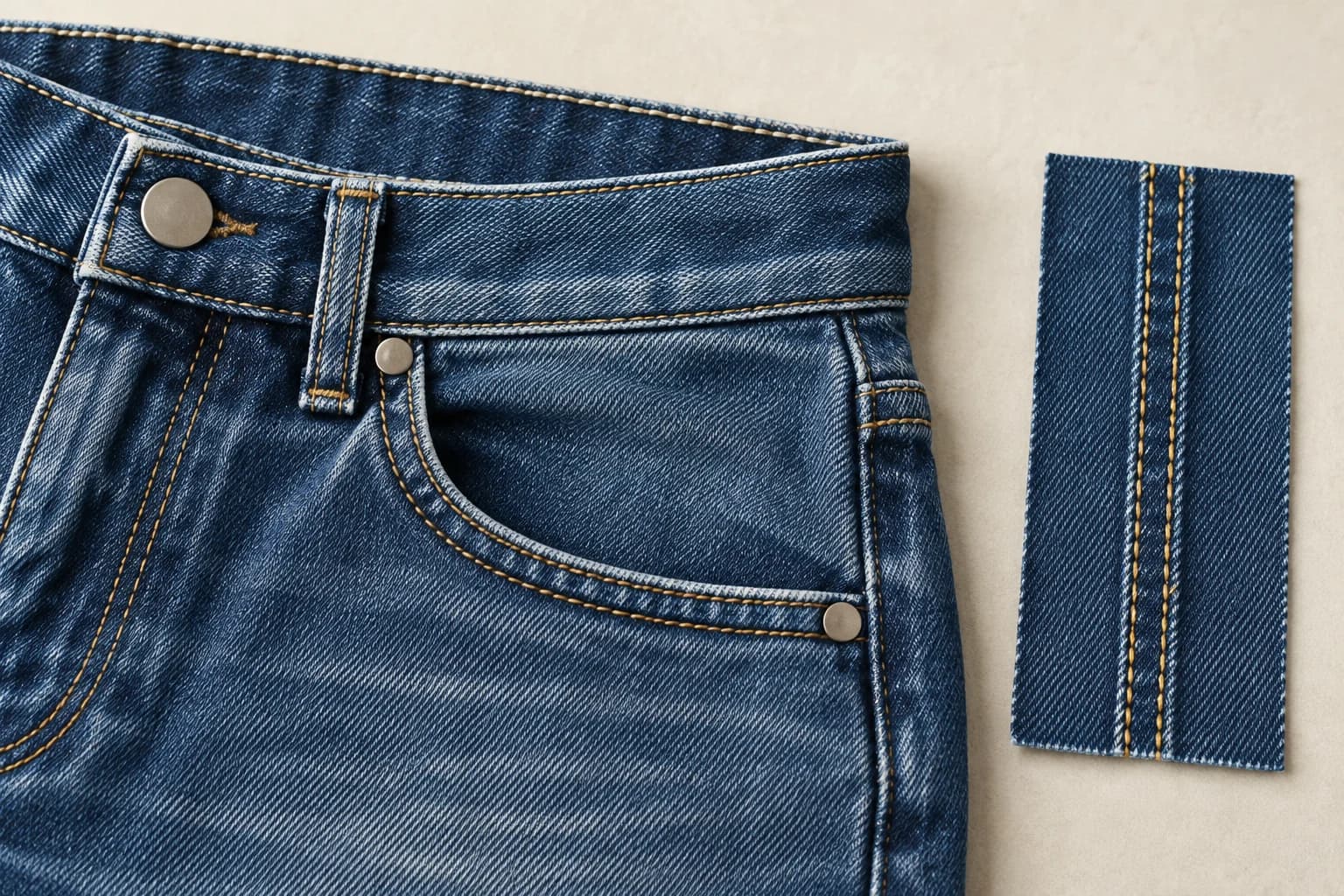
To compare denim bulk production with an approved sample, check fabric lots, wash references, measurements and sewing details against the agreed specifications. Differences may result from unclear requirements or production variation; establish the cause from records rather than assumptions.
First, Clarify: Which Type of Sample Are You Approving?
Many disputes stem from both parties having different definitions of a "sample garment." During development, there are typically three types:
- Development sample: Used to assess pattern direction and wash style; adjustments allowed.
- Sales sample: Shown to buyers or clients for effect; close to bulk but not necessarily made with bulk fabric.
- Sealed/Approval sample: The benchmark signed off by both parties; bulk production follows this.
Acceptance criteria should be explicitly agreed upon by both parties in the order, typically including the approval sample, size chart, and written process requirements. If the sales sample differs from bulk in material or wash, re-confirmation is needed first. This is also where custom reference styles differ from stock purchasing: stock is confirmed based on existing goods and inventory, while custom styles must go through the sealed sample process.
Fabric: Dye-Lot Variation and Shrinkage Are Primary Variables
Every dye lot of denim fabric will have color differences, especially indigo and sulfur black. The control method isn't to demand "zero color difference," but to confirm an acceptable dye-lot range before production and retain a fabric swatch from each lot.
Shrinkage is equally critical. When fabric isn't pre-shrunk, garment dimensions will change after washing. The approval sample and bulk must use the same batch or same specification of fabric, and measurements must be taken after washing. If the sealed sample is in an unwashed state and bulk is post-wash, the size chart won't match.
Washing: Formulas and Batches Must Be Traceable
Washing requires careful control to keep bulk production consistent with the approved sample. For the same gray-black double-waistband detachable jeans, if the sealed sample is washed at Factory A and bulk switches to Factory B, both color and hand feel may change.
Need to confirm:
- Whether the washing factory matches the sealed sample;
- Whether each wash batch records formula, time, and temperature;
- Whether there is a first-piece wash confirmation before bulk processing.
For styles with distressed effects like the blue-brown washed hooded denim pullover, manual distressing inherently has reasonable variation, but the base color and overall tone should fall within the sealed sample range.
Sewing and Pattern: Size Charts Are More Reliable Than the Eye
Pattern consistency is controlled through size charts. After the sealed sample is confirmed, key areas should be measured: waist, hip, front rise, back rise, inseam, and leg opening. Each bulk batch should be spot-checked, with tolerances agreed upon by category.
Sewing details include:
- Stitch density and thread specifications;
- Whether pocket placement, zippers, and hardware match the sealed sample;
- Fixing methods for special structures like double waistbands and layered faux-two-piece designs.
For styles with layered structures like women's faux-two-piece flared jeans, the length difference between inner and outer layers and the position of fixing points must be clearly marked on the sealed sample; otherwise, bulk production is prone to layer misalignment.
Pre-Production Confirmation Checklist
Before placing an order, it's recommended to verify item by item:
| Item | Confirmation Content |
|---|---|
| Fabric | Dye lot number, shrinkage, weight, composition |
| Washing | Washing factory, formula records, first-piece confirmation |
| Pattern | Sealed sample size chart, tolerance range |
| Sewing | Thread, stitch density, hardware |
| Packaging | Hangtags, wash labels, folding method |
The purpose of this checklist is to turn verbal agreements into verifiable criteria. ZHIZHI confirms materials and scheduling based on sample garments during custom development; specific delivery start dates and order terms require written confirmation from both parties.
How to Conduct First Batch Inspection
After bulk comes off the line, don't just look at one piece. It's recommended to pull multiple pieces from different bundle numbers and compare them side by side with the sealed sample:
- Compare colors under natural light to avoid lighting interference;
- Measure dimensions and record deviations;
- Check whether wash tones fall within the sealed sample range;
- Verify hardware, stitching, and pocket placement.
When deviations are found, first determine whether it's a batch issue or an isolated issue. Batch issues require discussing a solution for the entire batch.
Custom or Stock
If a brand needs exclusive patterns, specified washes, or private labels, go with OEM/ODM customization and control consistency through sealed samples. If in the market-testing phase, you can first reference existing goods to confirm style direction, then decide whether to develop. Stock shipping is confirmed by product and inventory; custom styles are scheduled based on sample garments and order communication.
ZHIZHI's custom development and production process confirm materials and scheduling by project. The factory's self-reported sampling capability is approximately 3 days, and bulk delivery targets within 30 days depending on quantity—subject to sample garment and order confirmation, not a guarantee for every order.
FAQ
Q: Is it normal for bulk and sealed sample to have slight color differences?
A: Dye-lot variation in denim objectively exists; the key is whether the difference falls within the pre-production confirmed range. If an acceptable dye-lot range was agreed upon and fabric swatches retained at sealing, slight differences are normal; if beyond range, communication and resolution are needed.
Q: What's a reasonable size tolerance?
A: Tolerances vary by measurement point and category, and must be agreed upon item by item at sealing. Key areas like waist and hip are usually controlled more tightly, while leg opening and inseam can be slightly relaxed. Specific values are confirmed per order.
Q: What if the wash effect is different every time?
A: Require the washing factory to record each batch's formula and operating parameters, and perform first-piece confirmation. Hand-distressed styles have reasonable variation, but base color and overall tone should remain stable within the sealed sample range.
When ready to proceed with an order, send over reference images, size charts, quantities, and target market to more quickly determine the best approach.